

Let’s get one thing straight:
“Resale rights” might sound like something your real estate agent would drone on about, but in reality, they’ve got roots in the chic, high-stakes world of fine art, and yes, they sometimes sneak into the world of professional paint, contracting, and even home renovation.
If you’re working in boutique hospitality, high-end residential, or historic properties, you’re not just slapping on a fresh coat of paint. You’re navigating a world where craftsmanship, artistry, and even copyright law intersect. So whether you’re preserving a mid-century mural or restoring a pre-war brownstone, a little knowledge here can help you protect your reputation, your client’s investment, and your peace of mind.
And for brands like HIS Paint, leaders among paint companies specializing in high-performance coatings, understanding how these rights brush up against the business matters, too.
What Exactly Are Resale Rights, Anyway?
Here’s the gist: Resale rights or “droit de suite” if you’re feeling French, are laws that ensure artists get a slice of the pie when their works are resold. Think: a painting sells at auction for millions. The original artist (or their estate) is legally entitled to a percentage of that sale. In Europe, this is standard practice. In the U.S.? Not so much. Only California has made notable strides with this law, and even there, enforcement is spotty.
Why should contractors, designers, or paint companies care? Because in certain projects (those involving murals, decorative artistry, or historically significant finishes) this principle informs how work is valued, preserved, and legally treated.
What’s Paint Got to Do with It?
It’s easy to overlook, but paint is often more than color, it’s history, craftsmanship, and intellectual property. From hand-painted ceilings to custom murals, painted surfaces can walk the line between functional finish and fine art.
Imagine working on a hotel renovation where a mural, once considered quirky decor, is now recognized as a significant work by a known artist. Or a residential project where a faux finish by a respected design studio adds not just ambiance but genuine market value. In these situations, paint isn’t just a layer, it’s part of the property’s story. Understanding that story protects both the contractor and the client from expensive missteps.
Ownership ≠ Copyright
A common misconception: If you bought it, you own it. End of story.
Not quite.
Owning a piece of art (or a property featuring artistic work) doesn’t automatically grant the right to alter, reproduce, or commercialize it. Copyright stays with the creator unless specifically transferred in writing.
This distinction matters more than you think. A mural in a hotel lobby? You may technically own the wall, but the art on it could still be protected. Same goes for custom finishes, specialty installations, or anything tied to a creative agreement.
Example in action:
A hotel wants to repaint its dated lobby mural. That mural’s creator might still hold copyright. Repainting over it without checking could land the property in hot water. Always review original agreements or get legal advice before altering work that might be protected.
Paint, Copyright & Design: Where the Lines Blur
In the world of design, it’s easy to forget that rights don’t always come standard. Clients often assume that paying for custom work means total ownership. Not always. Decorative artists and design studios frequently retain rights to their creations. In projects involving murals, signature finishes, or branded environments, clarify rights upfront and in writing.
For contractors working on high-end projects, understanding these nuances starts with choosing materials that match the caliber of work expected. Professional-grade products like those from HIS Paint’s specialized coating lines ensure that artistic work maintains its integrity over time, while proper preparation techniques protect both the underlying artwork and any new applications. This level of craftsmanship demonstrates the respect for artistry that separates professionals from amateurs in the luxury market.
For paint companies like HIS Paint, which might collaborate with artists or brands on specialty collections, this distinction is managed through licensing. Not ownership. That’s why professional standards and clear contracts are everything.
Real-World Scenarios Where This Matters
Historic Properties
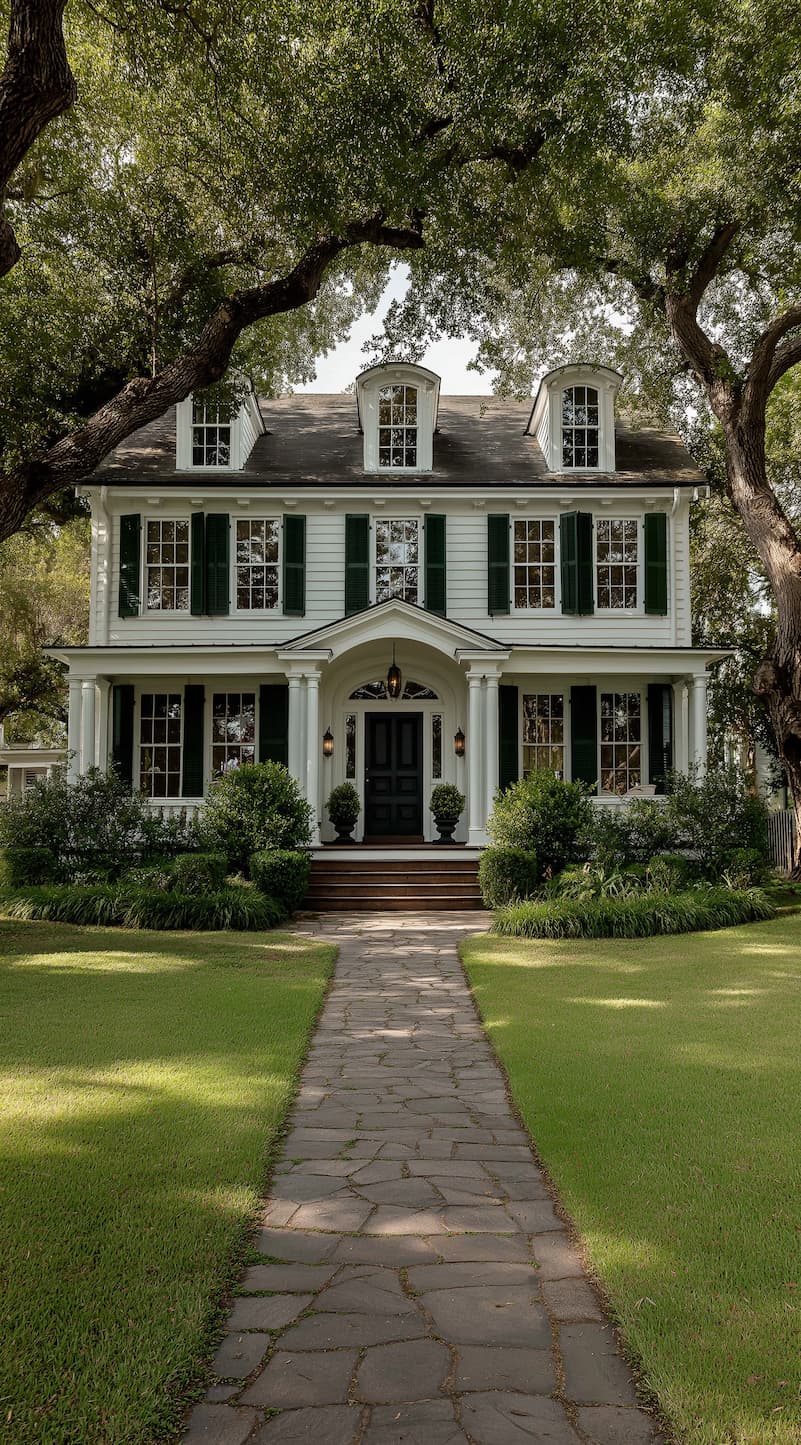
When working on restorations, especially of landmark buildings, tread carefully. Historical commissions often protect original artwork, decorative details, and even specific paint applications.
Commercial Spaces
Retailers and hotels use custom murals or finishes as part of their brand identity. These elements might carry ongoing copyright protection.
Public Art
Murals in public spaces? Often protected by preservation contracts. Covering them up or altering them might not just spark legal trouble, it could create a PR nightmare.
Licensing Agreements
Paint companies frequently collaborate with designers and artists under licensing terms. Respecting these agreements isn’t optional; it’s best practice.
Protect Yourself (and Your Client)
Being proactive saves headaches later. Ask questions. Review contracts. Clarify rights. And when in doubt? Consult legal resources.
Key Questions Before Touching Artistic Work:
- Who holds the copyright?
- Was this work created under a “work-for-hire” agreement?
- What does the original contract say about modifications?
- Does this fall under historic preservation regulations?
These aren’t hoops, they’re best practices that protect everyone involved.
Why This Stuff Matters More Now Than Ever
Today’s clients care about authenticity, sustainability, and preservation. They’re paying attention to craftsmanship and to the stories behind their spaces. Contractors who get this aren’t just winning jobs; they’re building reputations as thoughtful, detail-driven professionals.
This is where top-tier paint companies like HIS Paint lead by example. They offer products engineered for longevity and beauty, but also uphold standards that honor the craft behind the coat. That’s the difference between transactional work and legacy work.
Decorative Finishes & IP: Not Just Pretty Surfaces
Paint isn’t always utilitarian. Sometimes it’s artistic, cultural, and deeply personal. Contractors often straddle two worlds: getting the job done right and respecting the integrity of previous work.
Example: A faux finish painstakingly designed by a high-profile studio might be protected. Replicating it without permission? Potential infringement.
That nuance? It’s what separates the pros from the amateurs.
Resources for Staying on the Right Side of the Law
- American Institute of Conservation (AIC)
- California Resale Royalty Act
- U.S. Copyright Office
- Mural Conservancy of Los Angeles
- HIS Paint Professional Resources
Lessons Contractors Should Keep in Mind
At its core, this is about respect. Respect for the craft, the client, and the art. Clients hire professionals because they trust them to know the rules—even the weird, artsy ones.
Document everything. Write clear contracts, especially when decorative work is involved. Clarify ownership, usage rights, and modification terms upfront. Transparency keeps projects smooth and relationships strong.
Final Thoughts: Why Should Contractors Even Care?
Because this is about professionalism. About protecting your work, your client’s investment, and your reputation. About standing out as the contractor who understands more than just how to cut a clean line, it’s about knowing when that line might be protected by copyright law.
The best paint companies already lead with these values. HIS Paint exemplifies this with coatings engineered for performance and beauty, but also with a commitment to education and integrity.
In the end, this isn’t just about legal fine print. It’s about respect, for artistry, for craftsmanship, and for the spaces we shape together.